
The Environment Agency is seeking ways to better protect up to 3,000 homes and over 1,000 businesses along the length of the River Severn - investigations have started into options to improve flood and drought resilience in the Severn Valley.
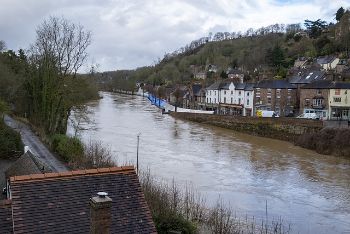
The River Severn and its tributaries are a vital source of public water supply for nearly 8 million people and over 100,000 businesses
Flooding over the last 12 months in the River Severn catchment, where some of the highest ever river levels have been recorded, has highlighted the need for a number of wide ranging solutions that mitigate the extreme weather communities here are beginning to see. Last year the government committed £30 million towards developing such a programme.
Most recently the floods that occurred in the winter of 2019/20 resulted in approximately 1600 homes across the catchment being flooded, causing significant damage and creating a lasting impact on the local economy. Although existing defences along the River Severn prevented a further 14,500 homes from being flooded, many communities and urban centres still remain at risk.
In response to the winter 2019/20 flooding, the UK government has committed £30 million towards a holistic water management scheme. The EA is now investigating options to unlock further funding from multiple sources, including FCERM (Flood and Coastal Erosion Risk Management) Grant in Aid funding.
Proposals the Agency has investigated include the opportunity of combining a water management scheme with Shropshire Council’s plans for the development of the North West Relief Road (NWRR).
The EA said it is aware of the constraints of the NWRR option and are looking at alternatives. It remains one of a number of possibilities that are being considered and, at this stage, a preferred option has not been identified.
The EA is engaging on a much more holistic approach, working with partners to find interventions that work together to provide better protection against flooding across a wide area.
However, the Agency said that the scale of the flood risk problem is such that it is “still almost inevitable that engineered solutions will be required” somewhere in the catchment.
The EA is now looking at further options and combinations of options to reduce flood risk, manage water resources and as far as possible reduce the scale of the hard engineering required. The options could include:
- engineered solutions such as the construction of flood walls and embankments;
- natural flood risk management measures that slow the flow of water upstream such as tree planting or the creation of leaky dams;
- alternative farming and land management practices;
- operating reservoirs in a different way;
- other storage options across the catchment.
Environment Agency Area Environment Manager, Adam Lines said:
“Climate change is happening now and we’re starting to see the real impacts, we need to think differently about how we’re going to protect homes, businesses and infrastructure for the coming decades.
“We have a real opportunity here to make the Severn Valley more resilient for the future and we want to hear from everyone. We’ve started discussions with partners and are planning a series of community engagement events. We are asking local authorities, landowners and communities to work alongside us and help to develop the best possible solutions.”
The EA plans to outline a programme of measures by early 2022, following which they will carry out more detailed investigation to establish a set of preferred options.
The project is in its very early stages and the Environment Agency said is committed to engaging with local communities and partners at every stage before any final decisions are made.
Click here for more information