
ADA, the representative body for drainage, water level and food-risk management authorities, is calling for a fundamental shift in the government’s approach to dealing with flood risk and water management.
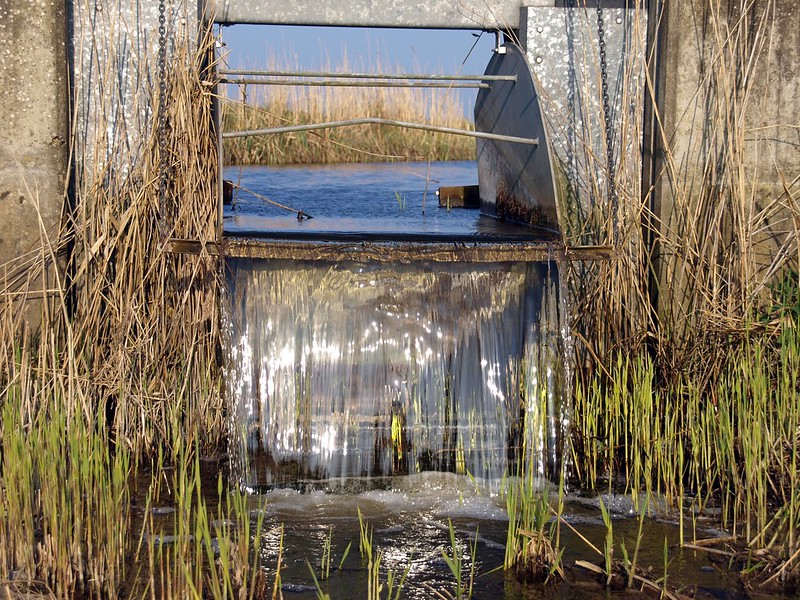
Photo: ADA, controlling water levels - Tipping Weir, Upton
Speaking in London yesterday at ADA’s 82nd annual conference ADA chairman Robert Caudwell said:
“There needs to be a fundamental shift in the government’s approach to dealing with flooding and drought. It is not just about money, but also how and where it is spent. Crucially, it is also about greater partnerships, both with government, but all risk management authorities and other stakeholders such as the NFU.”
“While there has been an understandable focus on the current flooding situation around the country during the election campaign, we also need to understand how each of the political parties plan to support effective and sustainable flood and water level management in the future.”
Keynote speaker Stuart Roberts, vice president of the NFU, added:
“There is a need for more money to be invested in water, but we also need to be bolder, more innovative and braver with the investments. We need to think big, water is such an important asset, particularly in Britain. We need to be embracing our engineering skills.”
Delegates heard how a lack of conveyance and maintenance on key stretches of lowland river, such as the Lower Don, has been driven by current policy that can leave rural communities, farms and villages undefended.
As parts of the country remain under flood waters this week, with many warnings and alerts still in place, industry leaders heard how closer government engagement and building stronger partnerships in flood and water management is essential, whether that is along the coastline, around more resilient water resources, or with the agricultural community.
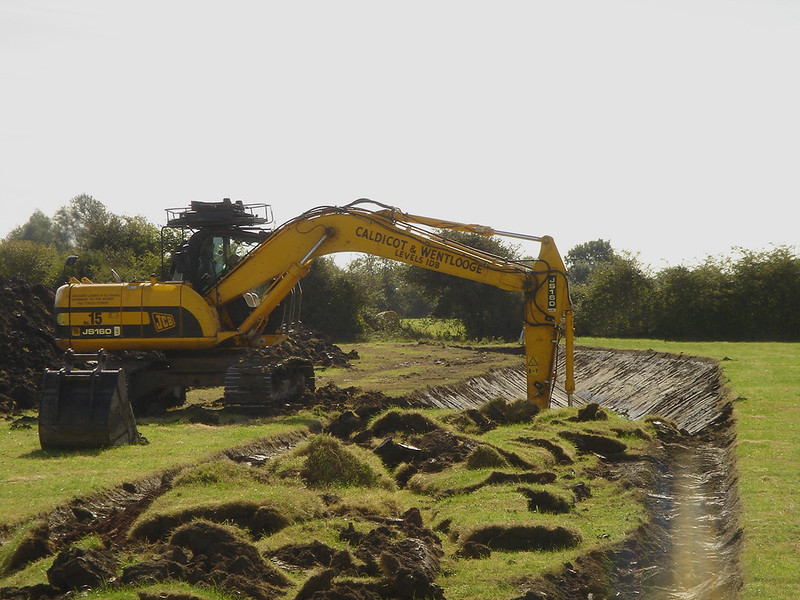
Photo: ADA, constructing a reen, Newport Wetlands Reserve
 Picking up on the theme of innovation, Robert Caudwell referenced the need to look at ways of storing floodwater on farmland in a controlled manner, offering incentives to farmers in recognition of the public good they provide. This year has seen droughts in some parts of the country, yet millions of gallons going back out to sea in other areas, in reasonably close proximity.
Having set out a 7-point manifesto for political leaders ahead of the election, ADA said it is ready to support the next government in managing and maintaining water systems, but warns that failure to give proper consideration will result in considerable exposure to risk.
Talking about the condition of major rivers in parts of lowland England, ADA’s technical manager, Ian Moodie said:
“Conveyance in our lowland rivers is a broader topic than simply dredging. It also includes controlling aquatic plants and bushes growing in the river and maintaining bank condition. Removing targeted constrictions in lowland rivers must be undertaken in a considered and targeted manner. Internal drainage boards have the engineering skills and local knowledge, but this can only be achieved by working together with other authorities and partners.”
ADA believes that measures such as river and embankment maintenance must be used as part of a catchment approach to flood resilience, working alongside building traditional defences and sustainable drainage systems, good soil management, and attenuating and storing floodwater in washlands or through slow the flow initiatives.
Association members include Internal Drainage Boards (IDBs), the Environment Agency, Regional Flood Defence Committees, Local Authorities, Natural Resources Wales, the Northern Ireland Rivers Agency, consultants, contractors and suppliers.ADA chief executive Innes Thomson added:
“There is no doubt in our minds, without a clear and collaborative approach, utilising the local knowledge available, we will see even more suffering, the like of which we are witnessing this week.”